Teddy Toy Icon: A Practical Review for Graphics and Icons
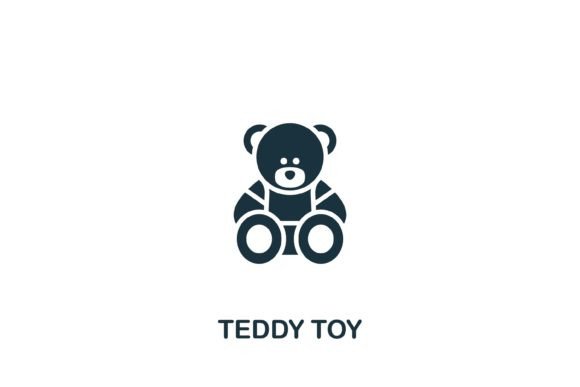
When I sit down to build a new collection for my online shop, I am constantly looking for that one graphic design asset that can anchor the entire theme. Recently, I evaluated a specific item called the Teddy Toy Icon. It is described as a simple line element baby symbol suitable for templates, web design, and infographics. As someone who sells digital downloads and print-on-demand items, I do not just look at how cute an image is; I look at its commercial viability. This review breaks down exactly how this vector graphic fits into a real-world selling strategy.
First Impressions and Visual Personality
The moment you open the file, the Teddy Toy Icon presents itself with a clean, minimalist aesthetic. It is not a heavy, detailed illustration but rather a sleek outline. This simplicity is its greatest strength for modern marketplaces like Etsy or Creative Fabrica. The mood is undeniably playful yet sophisticated enough for premium branding. It feels less like a cartoon and more like a refined logo mark. For a seller targeting parents, nurseries, or baby shower themes, this visual personality hits the sweet spot between "handmade" and "professional."
This style appeals to buyers who want something versatile. It does not scream "cheap clipart." Instead, it offers a sense of calm and order. When I placed this icon next to other assets in my mockup software, it immediately elevated the perceived value of the surrounding designs. It works exceptionally well for brands that want to appear friendly without being cluttered. If your target audience includes eco-conscious moms or minimalists, this digital product aligns perfectly with their preferences.
Real-World Application for Sellers
In my own workflow, I test every new asset across multiple product categories before listing them. Here is how I see the Teddy Toy Icon performing in various high-demand niches:
- SVG Products and Cricut Projects: The line art nature of this icon makes it ideal for vinyl cutting. It translates beautifully into t-shirt designs, tote bag prints, and mug wraps. Because the lines are continuous and simple, the cut quality on Silhouette or Cricut machines will be precise, reducing the risk of messy edges on finished merchandise.
- Printable Wall Art and Nursery Decor: I envision this used in framed prints where the baby symbol is the focal point. It pairs effortlessly with large serif fonts for nursery names. It also works well as a decorative element in seasonal bundles, such as a "Baby's First Christmas" collection.
- Digital Planners and Stickers: For creators selling digital planners, this icon serves as a perfect sticker design. It is small enough to fit neatly in daily logs but distinct enough to catch the eye. It adds a touch of warmth to otherwise sterile organizational tools.
- Canva Templates and Social Media Graphics: Content creators often need consistent branding elements. This illustration can act as a watermark or a header icon for blog posts about parenting. Its scalability ensures it looks crisp whether it is a tiny social media thumbnail or a large website banner.
- Greeting Cards and Invitations: For invitation templates, the icon provides a subtle nod to the occasion without overpowering the text. It creates a cohesive look for baby showers, gender reveals, or first birthday parties.
Enhancing Product Presentation and Value
Selling online is largely about visual storytelling. A great product mockup relies on strong visual hierarchy, and the Teddy Toy Icon supports this by acting as a clear anchor point. When I create listing images, I use this icon to guide the customer's eye. It helps establish brand consistency across different listings, making my shop look like a curated boutique rather than a random assortment of files.
The asset is particularly effective for themed bundles. Imagine a "New Parent Essentials" pack. Including this icon alongside other graphics creates a unified theme that increases the perceived value of the bundle. Customers are more likely to purchase a complete set if the individual elements feel like they belong together. Furthermore, because the design is a simple line element, it maintains clarity even when scaled down for thumbnails. In crowded search results, a clean, recognizable shape often gets more clicks than a busy, colorful image.
Strategic Placement and Limitations
While this asset is highly versatile, there are specific scenarios where it requires careful handling. You must avoid placing it in tiny sticker details where the line weight might disappear or become pixelated during printing. Similarly, if you are creating a dark background design, ensure you have sufficient contrast. A thin black line on a dark navy background will vanish. Always test the icon on both white and dark backgrounds to verify visibility.
I also advise caution when using this in text-heavy templates. Because the icon has a distinct personality, it can compete with body text if not sized correctly. It should be used as a decorative accent or a headline element, not buried in paragraphs. Additionally, while the SVG file is easy to edit, always inspect the cut quality if you are selling direct-to-garment (DTG) or sublimation products. Ensure the paths are closed and the curves are smooth to prevent any issues during production.
Practical Seller Notes for Success
To maximize the utility of this commercial design, I recommend following a strict testing protocol before publishing your listing. First, preview the design as a marketplace thumbnail. Does it stand out? Second, check the PNG transparency. Even though the primary file is an EPS or AI, customers expect a transparent PNG for immediate use. Third, organize your files clearly. A disorganized folder structure can lead to negative reviews, even if the design is good.
Typography pairing is crucial. I found that this icon pairs best with a mix of font styles. A bold sans-serif font creates a modern, corporate look, while a handwritten script font adds a personal, boutique touch. Experiment with display fonts to see which style matches your niche. Finally, confirm the commercial license. Ensure you have the right to sell finished products created with this asset. Most reputable sources provide this, but it is a step that cannot be skipped.
Final Thoughts on Commercial Viability
The Teddy Toy Icon is more than just a cute drawing; it is a functional tool for creative entrepreneurs. Whether you are a seasoned Etsy seller or just starting a print-on-demand store, having a library of clean, editable vectors is essential. This asset offers the flexibility needed for everything from sublimation designs to brand identity kits. By understanding its strengths and limitations, you can integrate it into your workflow with confidence. It helps bridge the gap between simple ideas and professional-looking products, ultimately supporting the growth of your handmade business.