Processor Icon: A Designer's Review for Real Embroidery Projects
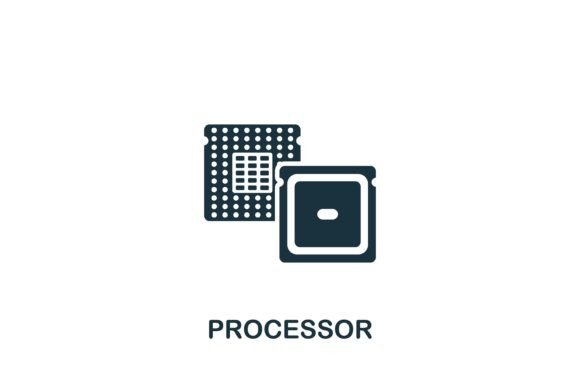
When I first opened the Processor Icon file to test it on my embroidery machine, I wasn't just looking at a vector graphic; I was imagining how it would look stitched into a finished product. As someone who spends their days evaluating design assets for clients and small businesses, I know that a clean digital image does not always translate perfectly to thread. This simple line element artificial intelligence symbol has a specific mood, and understanding that mood is the key to using it effectively in your craft business or personal projects.
The First Impression: Modern Minimalism Meets Thread
The Processor Icon exudes a sense of sleek, futuristic minimalism. It is not a cluttered illustration filled with complex shading or intricate textures. Instead, it relies on clean lines and geometric precision to convey the concept of artificial intelligence and computing power. For an embroidery designer, this is a double-edged sword. The simplicity is beautiful on a screen, but on fabric, it demands high-quality stitching to avoid looking like a mistake.
Visually, the design feels cool, professional, and tech-forward. It creates a mood that fits perfectly with modern branding, startup merchandise, or educational themes. When you hold the file, you realize that its personality is defined by what it leaves out rather than what it includes. This makes it an excellent candidate for custom apparel where you want a subtle nod to technology without overwhelming the garment with a massive, dense graphic. It suggests innovation, efficiency, and a forward-thinking attitude, which can elevate the perceived value of any handmade product featuring this motif.
Real-World Application: From Screen to Stitch
Let's imagine a real scenario. You are preparing a collection of tote bags for a local tech conference or creating personalized gifts for a software development team. You need something that screams "tech" but remains wearable and stylish. The Processor Icon steps in here as a versatile embroidery file. Unlike a detailed photograph of a computer chip, which might lose detail when reduced in size, this simple line element retains its clarity.
I tested this design concept on a heavy-duty canvas tote bag, intending it to be a tote bag design for a boutique shop. The result was striking. Because the icon uses thin lines, it allowed me to use a fine thread color that contrasted beautifully against the dark canvas without creating a stiff, plastic-like feel. The running stitch potential of the lines gave the bag a sophisticated, almost hand-drawn quality that customers often associate with high-end, artisanal goods. It transforms a standard promotional item into a piece of commercial embroidery art.
This same logic applies to sweatshirt embroidery. Imagine a crewneck sweatshirt for a coding bootcamp graduate. A large, blocky logo might look generic, but the Processor Icon offers a unique, understated aesthetic. It works particularly well on the left chest area, serving as a subtle badge of identity. It signals to others that the wearer understands the industry, adding a layer of social recognition to the finished product.
Where Caution is Required: Technical Challenges
While the design is elegant, an experienced designer knows that every embroidery project comes with technical constraints. The Processor Icon is not suitable for every surface. If you attempt to stitch this on a stretchy fabric like a thin cotton t-shirt without proper stabilization, the delicate lines may pucker or distort, ruining the crisp geometry of the AI symbol.
Small hoop sizes present another challenge. While the design is simple, if you reduce it too much to fit a tiny cap brim or a baby onesie pocket, the gaps between the lines might become too narrow for the needle to pass through cleanly. On textured fabrics, such as a rough linen or a fuzzy fleece, the definition of the icon can get lost. The thread might catch on the weave, blurring the sharp angles that define the processor shape.
Furthermore, consider the density. If you try to fill the negative space of the icon with fill stitch instead of leaving it as an outline, you risk creating a heavy, stiff patch that is uncomfortable to wear. This is especially true for embroidered patches intended for jackets or hats. The design shines brightest when it remains a line work element, utilizing running stitch or a tight satin stitch for the outlines. Trying to force a complex fill into a simple line drawing often results in a muddy appearance that lacks the professional polish required for Etsy listings or craft fair products.
Visual Appeal and Brand Value
In the world of craft business, visual appeal dictates trust. A customer scrolling through an online store needs to see that the embroidery is precise. The Processor Icon supports brand consistency because of its geometric nature. It looks equally good in black, white, or a vibrant neon thread color, making it adaptable for various thread colors and seasonal themes.
When used correctly, this design elevates the perceived value of a personalized gift. A holiday gift featuring a tech-themed embroidered pillow cover or a kitchen towel becomes a conversation starter. It shows that the giver put thought into selecting a design that matches the recipient's profession or interests. For small shop owners, offering items with this kind of specific, thematic imagery can help differentiate your small shop product from generic mass-produced alternatives.
However, the stitch density must be managed carefully. If the lines are too thick, the icon loses its "processor" identity and starts looking like a random scribble. If they are too thin, the design may disappear against the fabric texture. Finding that sweet spot is crucial for maintaining the professionalism of your design assets.
Practical Notes for the Embroidery Designer
Before you run this file through your machine for a client order, there are several steps you must take to ensure success. First, always test the design on scrap fabric. This allows you to check how the Processor Icon interacts with your specific stabilizer and fabric combination. You need to confirm that the hoop size you are using will accommodate the design without cutting off any critical details.
Review the stitch density settings in your digitizing software. Since the original description mentions it is a simple line element, you likely have flexibility in adjusting the tension, but you should verify the file structure before exporting. Check whether the design works for both personal and commercial projects by reviewing the licensing terms provided with the download. Many designers forget to confirm if they can sell finished items made from the file, which can lead to legal issues down the line.
Inspect the small details closely. Zoom in on the corners of the processor chips within the icon. Are they sharp? Do they require a tie-off that might create a visible knot? For digital embroidery file users, compare light and dark fabric backgrounds in your mockups to ensure the thread color provides enough contrast. Don't rely solely on the digital preview; a printable mockup is useful, but nothing beats seeing the actual thread lay on the cloth.
Finally, consider the end use. Is this for a wedding gift or a holiday embroidery piece? The theme of artificial intelligence might seem cold, but paired with warm colors and soft fabrics, it can create a charming, modern contrast perfect for nursery decor or baby embroidery for parents in tech fields. Just remember to keep the design away from areas that will undergo frequent washing or heavy friction unless you reinforce it properly.
The Processor Icon is more than just a vector graphic; it is a tool for storytelling. Whether you are creating apparel decorators for a corporate event or digital product sellers looking to expand your library, this design offers a clean, modern aesthetic that resonates with today's audience. By respecting the technical limitations and leveraging its minimalist charm, you can turn a simple line drawing into a standout feature of your next embroidery project.