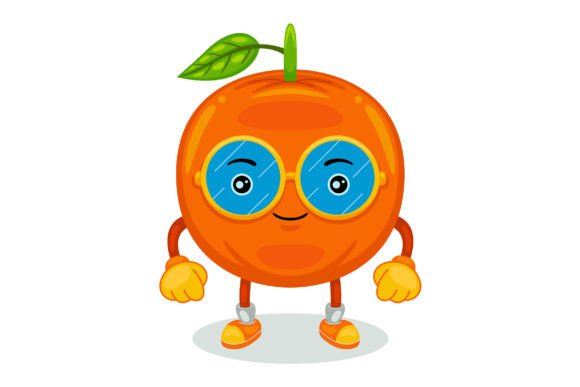
Cute Orange Mascot Character Vector for Graphics and Illustrations
In my years as a digital publisher and blog designer, I have learned that the visual language of a website is often just as important as the text itself. Before you even read a single word of an article, your eyes scan the images to gauge tone, trustworthiness, and relevance. Recently, I evaluated a specific graphic design asset called the Cute Orange Mascot Character Vector to see if it could elevate our content strategy. This review focuses on how this piece fits into a real-world editorial workflow, from featured images to downloadable lead magnets.
First Impressions and Editorial Mood
The moment I opened the file, the first thing that struck me was the warmth radiating from the character. The color palette is dominated by a vibrant orange, which immediately signals energy, friendliness, and approachability. Unlike stark corporate illustrations or overly complex artistic renderings, this mascot feels distinctly lifestyle-focused and playful. It creates an editorial mood that is inviting rather than intimidating.
For a content creator managing a niche in parenting, education, small business tips, or creative entrepreneurship, this asset feels like a natural fit. It suggests a brand identity that values connection and creativity. However, it is crucial to understand where this style belongs. If you run a serious legal blog or a high-end financial newsletter, this graphic might feel too casual. But for websites aiming to build a community, foster reader trust, or simplify complex topics through visuals, the mood is perfect. It bridges the gap between professional information and personal storytelling.
Integrating Into a Real Publishing Workflow
I recently tested this vector within a live publishing environment to see its versatility. The potential applications are vast. Imagine preparing a new series of articles on home organization; this mascot could serve as the anchor for the entire category. You can use it to create consistent blog graphics that appear in article headers, sidebars, and footer call-to-actions.
The flexibility of the file is its strongest asset. You can create countless variations for business branding, infographics, social media, promotion, website, landing page, banner, and other illustration purposes. Because it is a vector format, scaling it up for a massive website header or down for a tiny mobile icon does not degrade the quality. Furthermore, being able to easily resize and change colors means you can adapt the character to match seasonal campaigns or align with different sub-brands without hiring a new designer.
I specifically used the asset for several key projects:
- Pinterest Pins: The bright orange hue stands out beautifully against white or dark backgrounds, increasing click-through rates on social feeds.
- Digital Guides and eBooks: It served as the central figure on the cover of a downloadable worksheet, making the resource look polished and valuable.
- Newsletter Headers: Adding the mascot to email banners gave our weekly digest a cohesive, branded look that readers instantly recognized.
- Category Thumbnails: Using the character alongside serif fonts created a striking contrast that improved category recognition on the homepage.
Boosting Content Performance and Trust
Why does this matter? In the crowded digital space, a strong visual hierarchy is essential for keeping readers engaged. A well-designed mascot acts as a visual cue, guiding the eye and breaking up dense blocks of text. When a user sees a consistent character across your site, Pinterest, and social media, it reinforces your brand identity. This consistency builds credibility; it tells the audience that you are organized, professional, and invested in your content.
This asset also supports better performance metrics. A friendly, approachable image can lower the barrier to entry for new visitors, encouraging them to explore deeper. For affiliate marketers, using a mascot in product reviews or comparison tables can make the sales pitch feel more like a recommendation from a friend. It transforms static data into an engaging narrative. Whether you are creating a Canva template for your team or designing a digital download for sale, this illustration adds a layer of polish that elevates the perceived value of your work.
Strategic Placement and Design Synergy
To get the most out of the Cute Orange Mascot Character Vector, you must place it strategically. It excels in hero images where you want to set the tone immediately. It works wonderfully as an editorial accent next to pull quotes or key statistics. For content marketing efforts, placing the character beside headlines helps draw attention to the most important messages.
However, there are scenarios where caution is required. If your layout is already busy with multiple competing elements, adding another graphic can create clutter. Avoid using this mascot in small mobile thumbnails where details might be lost, or in text-heavy blog images where the character competes with critical information. If your website relies on a very minimal visual system or serves a strictly corporate audience, this playful style might clash with your existing aesthetic. Always ensure the design supports the message, rather than distracting from it.
Practical Publisher Notes for Implementation
Before committing this asset to your monetized sites, I recommend running a few technical tests. First, preview the design inside a real blog layout. Does it look good next to your body copy? Test it on both desktop and mobile screens to ensure the proportions remain effective across devices.
Typography pairing is also critical. Try placing the mascot beside different font styles to find the right balance. It pairs exceptionally well with modern sans-serif fonts for a clean look, but it can also add charm when paired with handwritten or script fonts for a softer touch. Conversely, test it with display fonts for bold headlines. Don't forget to check contrast; ensure the orange pops against your background colors and remains legible when converted to black and white for print versions.
Finally, never overlook the technical and legal aspects. Review the file size to ensure it won't slow down your website's load time, and compress images properly for web performance. Most importantly, confirm the commercial license before using this asset on paid content products, affiliate pages, or any project intended to generate revenue. Understanding these nuances ensures that your creative design efforts translate into tangible success for your digital publication.
Ultimately, the Cute Orange Mascot Character Vector is more than just a picture; it is a tool for building a cohesive small business branding strategy. By integrating it thoughtfully into your editorial design process, you can transform ordinary content into a memorable, trustworthy, and visually stunning experience for your audience.