Air Drone Icon: A Designer's Real-World Embroidery Review
When I first opened the Air Drone Icon file, my initial reaction wasn't about the technical specs or the vector formats. It was about the mood. There is a distinct futuristic yet minimalist energy in this simple line element that immediately suggests artificial intelligence and modern connectivity. As an experienced designer who has stitched thousands of designs for clients ranging from tech startups to local craft fairs, I look for more than just a pretty shape. I need to know how it translates from a screen to a needle. Does it hold its integrity when stitched? Does it feel like a premium addition to a handmade product, or does it look cheap and overworked?
This review is based on a practical evaluation of how the Air Drone Icon performs in real-world scenarios. We aren't just talking about digital mockups here; we are talking about thread tension, fabric texture, and the final tactile experience of a customer holding their new item.
The First Stitch: Visual Personality and Design Intent
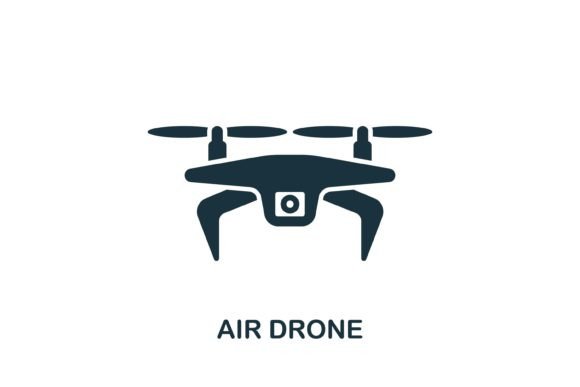
The strength of this design lies in its simplicity. In the world of machine embroidery, less is often more. The Air Drone Icon avoids the cluttered mess that often plagues complex illustrations. It presents as a clean, geometric silhouette that screams "modern tech." This makes it incredibly versatile for specific niches. It naturally belongs on custom apparel for tech enthusiasts, corporate swag for AI companies, or even educational materials for STEM programs.
The visual personality is crisp and professional. Unlike organic shapes that might require heavy fill stitches to cover the fabric, this icon relies on lines and negative space. When I imagine this on a high-quality cotton tote bag or a sleek black sweatshirt, the contrast creates a sophisticated look. It doesn't try to be decorative in a floral sense; it aims to be symbolic. This clarity is exactly what small business owners need when they want their merchandise to signal innovation and quality without shouting.
Real-Life Application: From Screen to Stitch
To truly understand the potential of the Air Drone Icon, let's walk through a specific project scenario. Imagine you are preparing a batch of custom embroidered tote bags for a local technology conference or an Etsy shop specializing in "geek chic" accessories. You have selected a sturdy canvas tote, perhaps in a deep navy or charcoal grey to make the stitching pop.
Placing the Air Drone Icon in the center of the bag feels right. Because the design is a simple line element, it won't distort the structure of the canvas. However, the success of this project hinges on how the lines are rendered. If the file uses a satin stitch for the outline, it will create a smooth, glossy finish that mimics the sleek metal of a real drone. If it utilizes a running stitch or a tight fill, the aesthetic shifts to something more rustic or hand-drawn.
I also considered using this design for a baby onesie. While the theme is tech-heavy, the cute, rounded nature of many drone silhouettes can work well for a "Future Engineer" nursery set. In this case, using soft pastel thread colors against white fabric would transform the Air Drone Icon into a playful, personalized gift. The key here is adaptability. The same graphic asset can serve as a serious logo for a commercial embroidery client or a whimsical accent for a handmade baby blanket, depending entirely on your execution.
Where Caution is Required: Fabric and Format Challenges
While the Air Drone Icon is robust, no single design fits every situation perfectly. As a reviewer, I must highlight where this design might struggle if not handled with care. The primary concern lies in the detail level. Simple line elements can sometimes get lost if the hoop size is too small or if the stitch density is too low.
If you attempt to stitch this on a curved surface like a baseball cap, the geometry of the drone might warp slightly at the edges. For such projects, you need to ensure the stabilizer is rigid enough to prevent puckering, which could blur the fine lines of the icon. Similarly, on stretchy fabrics like jersey t-shirts, the tension required to hold the lines together might cause the fabric to ripple. In these cases, a cut-away stabilizer is non-negotiable to maintain the integrity of the Air Drone Icon.
Another critical factor is thread color contrast. On dark fabrics, a thin line design can disappear if the thread weight isn't substantial enough. You might find yourself needing to use a heavier thread or adjust the stitch type to ensure the silhouette stands out clearly. Additionally, if you are planning to wash the finished product frequently, such as kitchen towels or aprons, check the stitch density. Loose stitches on a design with sharp corners might snag or unravel over time, reducing the lifespan of your handmade product.
Impact on Product Value and Brand Consistency
In the competitive landscape of craft businesses and Etsy shops, presentation is everything. A well-executed Air Drone Icon elevates the perceived value of the entire product. Customers associate clean, precise embroidery with high-quality craftsmanship. If the lines are jagged or the spacing is uneven, it signals a lack of professionalism, regardless of the actual cost of the materials.
This design supports brand consistency beautifully. Whether you are creating a series of patches for a gaming group or digital product previews for a tech blog, the Air Drone Icon offers a recognizable symbol that ties your offerings together. It acts as a visual shorthand for innovation. When buyers see this icon on a finished product, they instantly connect it with the themes of technology and precision. This emotional connection drives engagement and trust, making customers more likely to purchase your personalized gifts or boutique items.
Practical Notes for the Embroidery Designer
Before you commit to a full production run, there are several steps you should take to ensure the Air Drone Icon performs flawlessly. First and foremost, always test the design on scrap fabric that matches your final project material. This allows you to gauge how the threads interact with the weave and whether the stabilizer provides adequate support.
Check the thread color contrast by viewing your design in black and white mockups. This helps identify any areas where the lines might blend into the background too much. Review the stitch density carefully; if the file includes dense fill areas, ensure your machine can handle the thickness without causing needle deflection. Confirm the hoop size requirements to avoid cropping out essential details of the icon.
Don't forget to inspect the small details closely. Sometimes, converting a vector graphic to an embroidery file can introduce tiny artifacts or overly thin segments that won't stitch up well. If possible, compare light and dark fabric backgrounds to see how the design adapts. Finally, verify the licensing terms before selling finished items or using the design in commercial embroidery projects. Ensure you have the rights to use the Air Drone Icon for both personal and commercial purposes, especially if you are producing goods for resale.
By approaching the Air Drone Icon with these practical considerations in mind, you can transform a simple digital graphic into a stunning, market-ready piece of art. It is a tool that, when used correctly, bridges the gap between modern digital aesthetics and traditional textile artistry.